Is a One-Bedroom Right for You? Know Your Needs in apartments in edwardsville il
Buy Vs Rental Fee: Comprehending the Advantages And Disadvantages of Staying In an Apartment
The choice to get or rent out an apartment entails cautious consideration of numerous aspects. Each choice offers distinct advantages and drawbacks that can considerably impact one's financial circumstance and way of life. Customers frequently encounter big in advance costs and recurring maintenance obligations, while renters delight in versatility and reduced preliminary financial investments. As individuals evaluate these components, recognizing the nuances of each choice ends up being vital. What factors ultimately affect the decision in between these two paths?
The Financial Aspects of Acquiring an Apartment
When considering the purchase of an apartment, prospective purchasers have to carefully review the economic implications involved. The initial expenses can be significant, including the deposit, closing prices, and different charges connected to assessments and evaluations. Purchasers need to additionally consider continuous expenditures such as real estate tax, home owners' association (HOA) costs, insurance, and upkeep costs.Financing choices play an essential duty in the general price of the apartment. apartments in glen carbon il. Rates of interest, funding terms, and credit rating can considerably affect month-to-month mortgage repayments. Furthermore, potential buyers need to take into consideration the long-term investment value of the residential or commercial property, as realty can appreciate over time, giving monetary advantages in the future.Ultimately, detailed research and monetary preparation are fundamental for making an informed choice concerning purchasing an apartment. Purchasers need to weigh the prospective returns versus their financial security and individual circumstances to guarantee an audio financial investment

The Financial Ramifications of Renting
The financial effects of leasing include month-to-month rental costs, which can vary based on area and market conditions. Occupants also birth much less obligation for maintenance expenses, as these generally drop on the property manager. However, the lack of lasting economic dedication can impact one's capability to construct equity over time.
Regular Monthly Rental Fee Costs
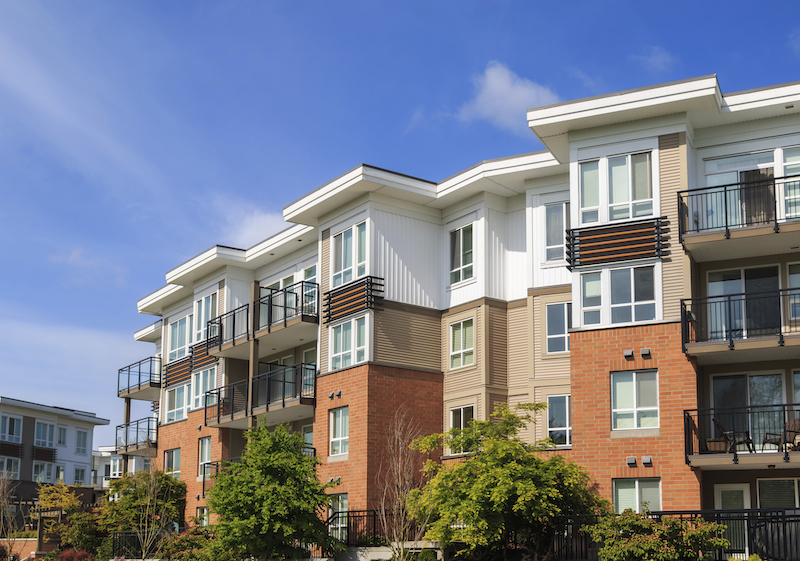
Although several people are attracted to the flexibility that renting deals, the monetary effects of monthly lease prices can substantially influence their budgets. Lease generally stands for a substantial section of a lessee's monthly costs, usually varying from 25% to 50% of their earnings. This irregularity depends upon variables such as area, home dimension, and features. Additionally, lease repayments are called for continually, making it vital for occupants to keep a stable income to stay clear of financial pressure. Unlike home loan repayments, which develop equity gradually, rental fee settlements do not add to property build-up. As a result, prospective renters should very carefully examine their monetary situations and consider how regular monthly rent expenses will suit their overall budget before devoting to a rental contract.
Maintenance Expenditures Duty
While occupants take pleasure in the advantage of not having to stress around many upkeep jobs, they might still deal with substantial financial effects pertaining to duty for upkeep. Normally, landlords are accountable for major repair services and upkeep, which eases some costs for occupants. Renters might be accountable for small repair services, such as replacing light bulbs or dealing with a leaking faucet. Additionally, unforeseen costs can develop from problems like pipes or electric failings, which may lead to increased monetary concern otherwise covered by the lease agreement. Tenants should likewise take into consideration the potential for rent enhances to cover maintenance prices. While upkeep obligations are largely shifted to proprietors, occupants must continue to be conscious of their commitments and possible prices that can develop throughout their lease term.

Lasting Financial Dedication
Financial security often rests on the decision between leasing and purchasing an apartment, particularly when thinking about the long-term commitments connected with each choice. Renting may show up monetarily flexible, allowing people to relocate conveniently and prevent significant deposits. It can lead to ongoing month-to-month costs without developing equity. Renters undergo yearly rental fee boosts, which can stress budget plans over time - luxury apartments for rent glen carbon il. Furthermore, the lack of possession means that rental settlements do not add to lasting wide range buildup. In comparison, purchasing an apartment normally includes a substantial in advance investment but gives the possibility for property worth appreciation. Inevitably, the selection in between renting and buying calls for mindful evaluation of one's financial objectives and long-term security
Security vs. Flexibility: Which Is Right for You?
When taking into consideration apartment or condo living, people frequently evaluate the benefits of stability against the demand for versatility. Lasting dedications, such as purchasing a residential or commercial property, can supply security but may restrict mobility and adaptability. Conversely, leasing enables better flexibility to relocate, satisfying those whose situations could alter regularly.
Lasting Dedication
Selecting in between buying and renting an apartment frequently copyrights on the individual's wish for stability versus their requirement for versatility. A long-term commitment to getting generally indicates a purpose to clear up in one location, promoting a feeling of permanence. Homeownership typically includes economic advantages, such as equity building and potential appreciation in home value, adding to lasting safety and security. Conversely, leasing allows for greater adaptability, allowing people to transform their living circumstance based on life scenarios or choices. Renters may choose this alternative during altering periods, such as work changes or individual growth. Inevitably, the option between a lasting dedication to ownership or the versatility of leasing mirrors individual concerns and future aspirations, considerably affecting one's lifestyle and economic preparation.
Wheelchair and Versatility
The decision to purchase or rent an apartment significantly affects a person's movement and flexibility in life. Homeownership generally supplies stability yet can restrict flexibility as a result of the long-term monetary commitment and initiative called for to sell a residential or commercial property. Alternatively, renting enables for higher movement, making it possible for individuals to relocate conveniently for job chances or way of living adjustments without the worry of offering a home. This adaptability can be especially helpful for those in shifting stages of life, such as pupils or young experts. While renting can lead to an absence of durability, it offers the flexibility to check out different areas and cities. Ultimately, the option between buying and renting depend upon individual concerns-- security versus the requirement for versatility in an ever-changing world.
Upkeep Responsibilities: Homeownership vs. Renting
While homeownership often brings the attraction of self-reliance, it likewise features a considerable concern of maintenance duties that occupants generally these details prevent. Homeowners should handle repairs, landscape design, and routine maintenance, which can be both taxing and expensive. This includes addressing pipes problems, roofing system fixings, and home appliance breakdowns, every one of which can add stress and anxiety to the property owner's life.In contrast, occupants normally take advantage of an extra hands-off strategy to maintenance. Home supervisors or landlords deal with repair services and maintenance tasks, permitting tenants to concentrate on their living experience rather than residential property treatment. This department of duties can be especially appealing for those that prioritize adaptability and simplicity in their living arrangements.Ultimately, the choice in between purchasing and renting out rest on one's desire to take on upkeep obligations, with homeownership requiring a commitment that lots of tenants may choose to sidestep.
Investment Possible: Purchasing an Apartment
Buying an apartment can offer significant financial benefits gradually. As residential property values generally value, property owners may see their investment expand substantially, yielding a profitable return when marketing. In addition, possessing an apartment provides a bush versus inflation, as home loan settlements continue to be secure while rental rates may raise. The possibility for rental income includes one more layer of economic advantage; owners can lease their systems, producing passive earnings that can balance out home mortgage prices and add to total riches accumulation.Furthermore, tax benefits typically come with house ownership, consisting of reductions for home loan rate of interest and residential property taxes. These economic rewards boost the good looks of getting an apartment as an investment. Potential financiers ought to likewise think about market fluctuations and associated possession costs, such as upkeep and organization fees. A complete analysis of these elements can aid identify if acquiring an apartment aligns with a person's monetary goals and risk tolerance.
Way Of Living Factors To Consider: Features and Area
Choosing the appropriate apartment or condo includes cautious factor to consider of lifestyle factors, particularly amenities and place. Several individuals focus on amenities that enhance their living experience, such as gym, swimming pools, or communal rooms. These facilities can significantly affect daily routines and social interactions, making house life a lot more enjoyable.Location is equally important; closeness to work, institutions, purchasing, and mass transit impacts comfort and total quality of life. Urban occupants may prefer houses in bustling areas, while those seeking serenity may choose suv settings. In addition, safety and community vibe play necessary duties in determining a perfect location.Ultimately, the right combination of features and area can create a harmonious living setting that straightens with individual choices and way of living needs. Each individual's priorities will certainly differ, making it essential to review these elements thoroughly before making a choice about purchasing or leasing an apartment.
Lasting vs. Temporary Living Setups
The decision in between long-term and temporary living setups significantly affects one's apartment experience. Lasting leasings commonly offer security, permitting renters to establish origins in an area. This stability commonly causes a deeper understanding of neighborhood services, social connections, and individual convenience. Furthermore, lasting leases might provide reduced regular monthly prices compared to short-term options, which are typically a lot more pricey due to flexibility.Conversely, short-term setups interest those seeking movement or short-lived real estate solutions. This versatility can be useful for sites people discovering brand-new cities, traveling for work, or researching. Nevertheless, temporary services generally lack the feeling of durability and might involve regular relocations.Ultimately, the option between long-term and temporary living depends upon private scenarios, top priorities, and way of living preferences. Careful consideration of these elements can lead to an extra enjoyable house experience, tailored to one's specific needs.
Regularly Asked Questions
Exactly How Do Real Estate Tax Influence Apartment Possession Costs?
Real estate tax considerably affect the total prices of apartment ownership. Higher taxes can boost month-to-month expenses, affecting budgeting. In addition, rising and fall tax obligation rates might affect building worths, making possession much less economically useful in certain markets.
What Are Common Lease Lengths for Rental Houses?
Common lease sizes for rental homes typically range from six months to one year. Some property managers may offer month-to-month alternatives, while longer leases of 2 years or even more can also be bargained depending on occupant requirements.
Can I Negotiate My Rental Fee Rate With Landlords?
Bargaining lease rates with property owners is typically possible, depending on market conditions and the proprietor's flexibility. Prospective tenants ought to prepare to offer their case, highlighting factors for negotiation to raise their chances of success.
What Takes place if I Need to Damage a Rental Lease?
When an occupant requires to break a rental lease, they may sustain penalties, waive their safety deposit, or face lawful consequences. It's crucial to assess the lease terms and communicate with the proprietor quickly.
Are There Hidden Costs When Buying an Apartment?
When acquiring helpful resources an apartment, possible hidden fees may include closing costs, maintenance fees, property tax obligations, and homeowners organization dues. Buyers ought to completely assess all economic facets to prevent unanticipated expenditures post-purchase.